AI Agents in 2026: How Autonomous AI is Transforming Business Operations
Amit Kumar Raikwar
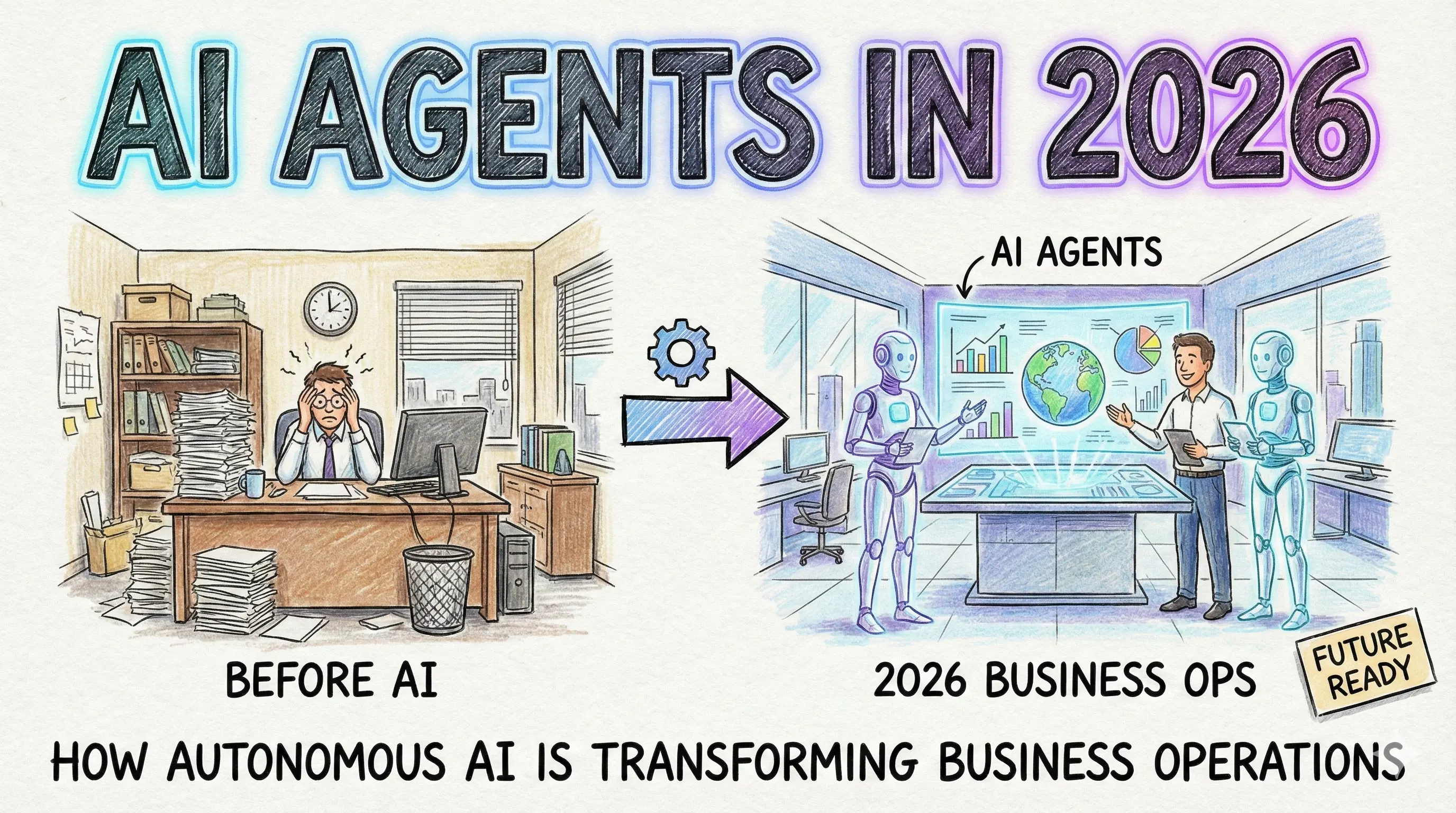
2026 is the year of the AI Agent. Discover how autonomous, goal-oriented AI is moving beyond simple chatbots to revolutionize customer service, sales, development, and operations, and learn how your business can stay ahead of the curve.
Imagine a digital employee that doesn't just answer questions but actively solves problems, manages workflows, and executes complex tasks without constant supervision. Welcome to 2026, where AI Agents are no longer a futuristic concept but a business reality transforming how we work. In just the last 12 months, we've seen a paradigm shift from 'chatting with AI' to 'collaborating with AI agents' that can reason, plan, and act independently.
1. Introduction: The Age of Autonomy
Did you know that by the end of 2026, it's estimated that 40% of enterprise applications will have embedded autonomous agents? This isn't just another tech hype cycle. We are witnessing the evolution of AI from passive tools to active teammates. In this post, we'll explore what makes 2026 the breakout year for AI agents, the different types driving value today, and how your business can leverage them to gain a competitive edge.
2. What Are AI Agents?
To understand the revolution, we must first define the technology. Traditional chatbots (like the early versions of ChatGPT) were reactive—they waited for a prompt and gave an answer. AI Agents are fundamentally different.
- Autonomy: They can initiate actions to achieve a goal without constant human input.
- Multi-step Reasoning: They can break down complex problems into a sequence of logical steps.
- Tool Use: They can access external tools (browsers, APIs, databases) to get the job done.
- Memory: They maintain context over long periods, learning from past interactions.
Think of a traditional chatbot as a library: useful, but you have to know what to look for. An AI Agent is like a research assistant: you give them a broad objective (e.g., 'Find me the best suppliers for X'), and they go out, search, compare, and present you with a finalized report.
3. Why AI Agents Are Trending in 2026
Industry leaders like Google, IBM, and Deloitte have all flagged 2026 as the 'Year of Agentic AI.' This surge is driven by three key factors:
- Breakthroughs in Reasoning Models: New LLMs are significantly better at planning and error correction.
- Standardized Frameworks: Tools like LangChain and AutoGen have matured, making it easier to build reliable agents.
- Cost Efficiency: The cost of running intelligent models has dropped, making 24/7 autonomous agents economically viable for businesses of all sizes.
4. Types of AI Agents
Not all agents are created equal. They are often specialized by function:
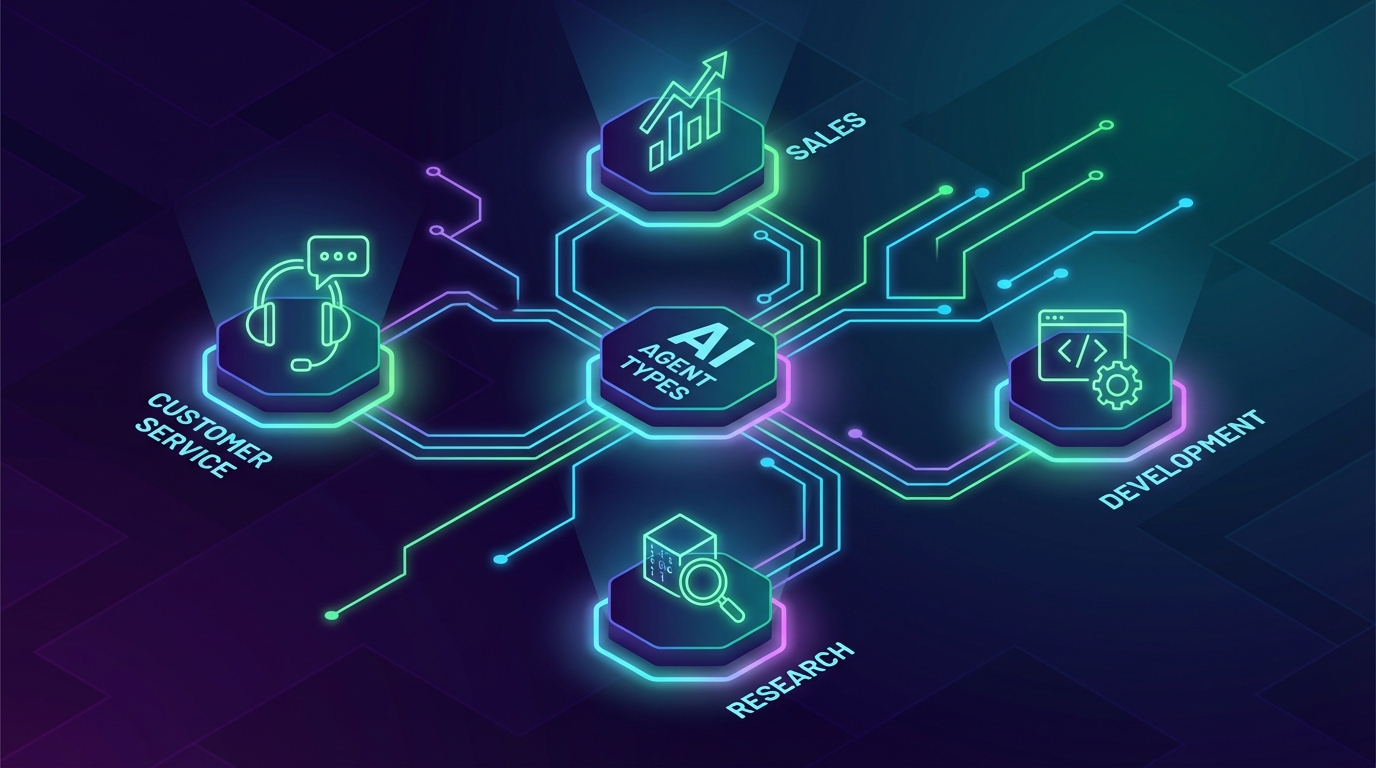
- Customer Service Agents: Handle complex support queries, process refunds, and troubleshoot technical issues autonomously.
- Sales & Marketing Agents: Qualify leads, personalize outreach campaigns, and even schedule meetings.
- Development Agents: Write code, debug errors, and even deploy applications (like the one helping write this blog!).
- Research Agents: Scour the web for market data, analyze competitor strategies, and summarize findings.
- Operations Agents: Automate internal workflows, manage calendars, and optimize supply chains.
5. Real-World Use Cases
Let's look at how these agents are being deployed in the wild:

- E-commerce: Agents are managing entire customer journeys, from product discovery to post-purchase support, offering hyper-personalized recommendations.
- Finance: Fraud detection agents monitor transactions in real-time, flagging anomalies with higher accuracy than rule-based systems.
- Healthcare: Triage agents are helping schedule appointments and answer patient queries, reducing the burden on administrative staff.
- Software Development: Companies are using 'coding agents' to write unit tests and refactor legacy code automatically.
6. Benefits for Businesses
The adoption of AI agents offers tangible ROI:
- Cost Reduction: 24/7 operations without the need for overtime pay or human burnout.
- Increased Productivity: Employees can focus on high-value strategic work while agents handle the repetitive tasks.
- Scalability: You can spin up 100 new customer service agents instantly during peak seasons without hiring delays.
- Data-Driven Decisions: Agents can process vast amounts of data to provide real-time insights that humans might miss.
7. Challenges & Considerations
However, the path to autonomy isn't without hurdles. Businesses must navigate data privacy concerns, ensuring that agents don't leak sensitive information. There's also the 'human-in-the-loop' requirement—critical decisions should still have human oversight to prevent costly errors. Finally, integration with legacy systems remains a technical challenge for many established enterprises.
8. How to Get Started
Ready to deploy your first agent? Start small.
- Assess Your Needs: Identify repetitive, rule-based tasks that consume valuable time.
- Start with a Pilot: Don't try to automate everything at once. Pick one process (e.g., internal IT support ticket triage).
- Choose the Right Platform: Look for platforms that prioritize security and observability.
- Measure & Iterate: Track the agent's performance and refine its instructions based on real-world results.
9. The Future: 2027 and Beyond
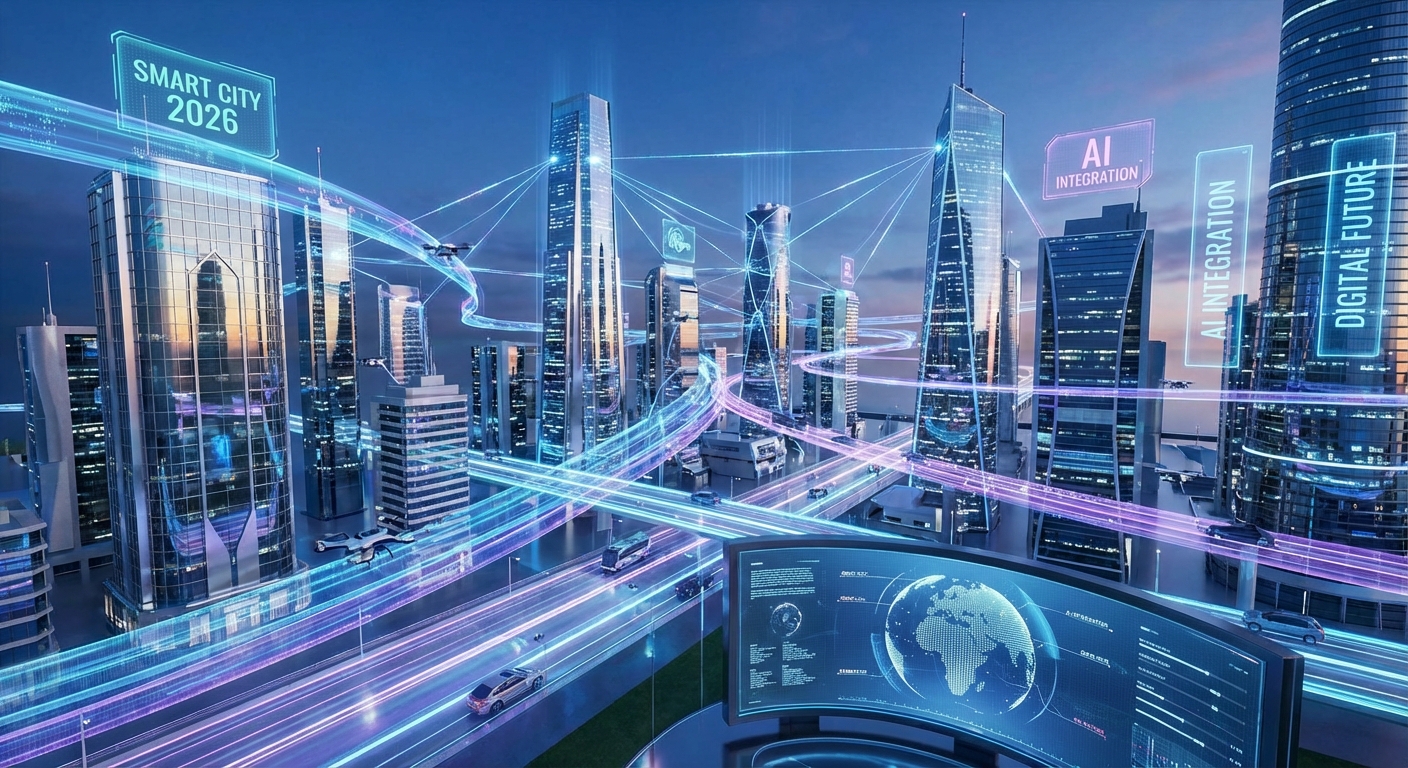
As we look ahead, we expect to see the rise of 'Multi-Agent Systems' where specialized agents collaborate with each other. Imagine a Sales Agent talking to a Legal Agent to draft a contract, which is then reviewed by a Compliance Agent—all in seconds. The future of business is a hybrid workforce of humans and AI agents working in harmony.
10. Conclusion
AI Agents are not just a trend; they are the next major platform shift in technology. By embracing autonomous AI today, you position your business for efficiency and innovation tomorrow. Don't get left behind in the age of automation.
Ready to explore AI Agent solutions for your business? Contact NovaEdge Digital Labs today to discuss how we can help you build your future workforce.Contact Us
Built & Curated by Amit Kumar Raikwar
Full-stack engineer & product designer shipping production software worldwide.
Frequently Asked Questions
Amit Kumar Raikwar
Full-stack engineer and product designer in Indore. I take software from an empty Figma file to a live product that takes payments, and I do the interface, the API, the database and the deploy myself.